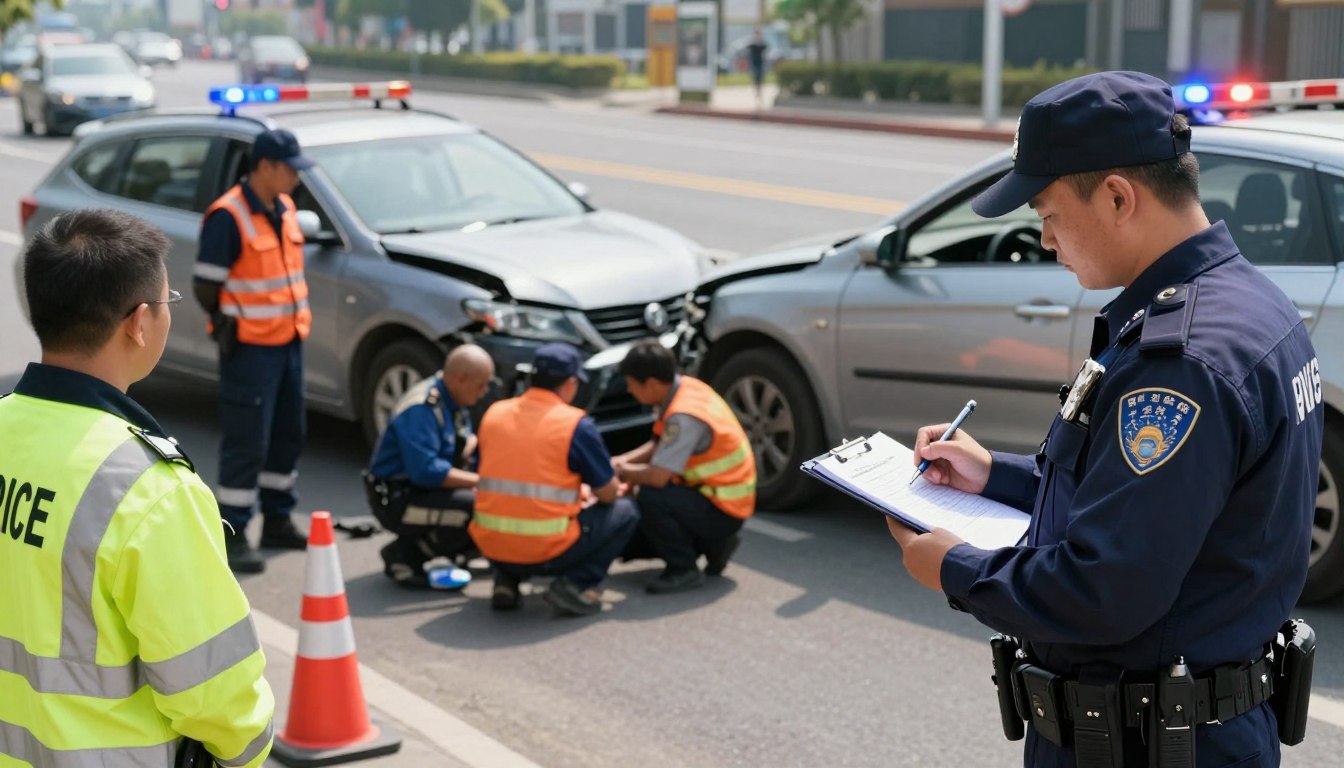
Have you ever found yourself in a situation where you’ve been involved in a car accident and weren’t sure how to react? Knowing the right steps to take can make a significant difference in ensuring your safety and protecting your rights.
Being involved in a car accident can be a traumatic experience, but being prepared and knowing the proper protocol can help alleviate some of the stress. Following a clear checklist can guide you through the immediate actions required.
Key Takeaways
- Stay calm and assess the situation
- Move to a safe location if possible
- Exchange information with the other parties involved
- Document the scene and any damage
- Report the accident to the authorities
Immediate Actions at the Accident Scene
When a car accident occurs, the first few minutes are critical for assessing the situation and taking appropriate actions. Ensuring your safety and the safety of others is paramount.
Ensure Safety First
The first step after a car accident is to ensure your safety and the safety of others involved. This involves a few immediate actions.
Turn on Hazard Lights
Activating your hazard lights alerts other drivers to the situation, helping to prevent further accidents.
Set Up Warning Triangles/Flares
If you have warning triangles or flares, setting them up around the accident scene can provide additional warning to other road users, especially in low visibility conditions.
Check for Injuries
After ensuring the scene is as safe as possible, check for injuries among all parties involved.
Self-Assessment
Start by assessing your own condition. If you’re injured, try to remain calm and call for help.
Checking on Passengers and Other Drivers
Next, check on your passengers and other drivers involved in the accident. Provide assistance if needed, and call emergency services if anyone is injured.
Move to a Safe Location If Possible
If the accident occurred on a busy road and your vehicle is operational, move to a safe location to avoid further risks.
Call Emergency Services
Regardless of the severity of the accident, it’s crucial to call emergency services.
What Information to Provide to 911
When calling 911, be prepared to provide your location, the number of vehicles and people involved, and any injuries or hazards.
When Police Response is Required by Law
In many jurisdictions, police response is required by law for accidents involving injuries, significant property damage, or other specific circumstances. Understand the local regulations regarding police response.
| Situation | Police Response Required | Action to Take |
|---|---|---|
| Injuries or fatalities | Yes | Call 911 and wait for police |
| Significant property damage | Yes | Call 911 and exchange information |
| Minor accident, no injuries | No | Exchange information and report to insurance |
By following these steps, you can ensure your safety and the safety of others, and be better prepared for the subsequent processes involved in dealing with a car accident.
What to Do After a Car Accident Step by Step: Documentation and Evidence
Following a car accident, it’s essential to take systematic steps to document evidence and exchange necessary information. This process can be challenging, but being prepared and knowing what to do can significantly impact the outcome of insurance claims and potential legal proceedings.
Exchange Information with Other Drivers
Exchanging information with other drivers involved in the accident is a critical step. This includes gathering contact details and insurance information.
Essential Contact Details
Ensure you collect the following contact information:
- Name and contact number
- Address
- Email address
- Driver’s license number
Having this information can facilitate communication and is vital for filing claims.
Insurance Information
It’s equally important to exchange insurance details, including:
- Insurance provider’s name
- Policy number
This information is crucial for processing claims and determining liability.
Gather Witness Information
If there are witnesses, gather their contact information. Witness statements can provide valuable evidence.
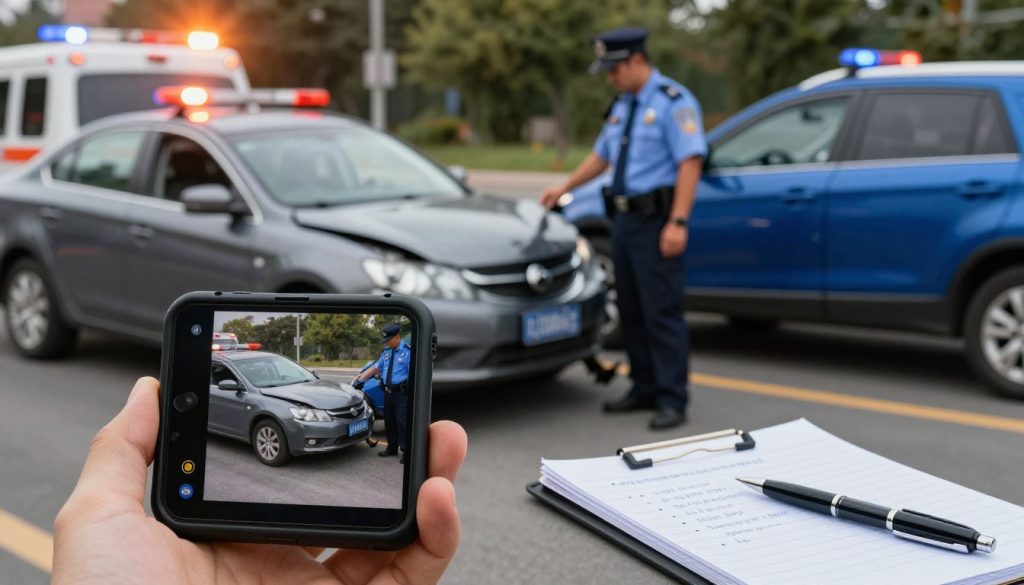
Take Photos and Videos of the Scene
Documenting the accident scene is vital. Take photos and videos of:
Vehicle Damage Documentation
Capture images of the damage to all vehicles involved from multiple angles.
Accident Scene Overview
Record the overall scene, including the position of vehicles and any debris.
Traffic Signs and Signals
Photograph any relevant traffic signs or signals near the accident site.
Document Road and Weather Conditions
Noting the road and weather conditions at the time of the accident can provide context. This includes:
- Road surface conditions
- Weather (rain, fog, clear)
- Lighting conditions
Make Notes About What Happened
As soon as possible, write down your account of the accident, including:
- Sequence of events
- Any injuries sustained
- Damage to vehicles or property
As “The National Highway Traffic Safety Administration” emphasizes, “accurate and timely documentation is key to a successful claim.”
“The devil is in the details, and in the case of a car accident, those details can make all the difference in the world.”
Dealing with Police and Medical Professionals
Following a car wreck, understanding the steps to take when interacting with law enforcement and medical professionals can help alleviate some of the stress associated with the accident.
Interacting with Law Enforcement
When the police arrive at the scene, it’s essential to be cooperative and provide factual information. Remaining calm and composed will help ensure a smoother interaction.
What to Say and What Not to Say
When interacting with law enforcement, it’s crucial to stick to the facts of the incident. Avoid making statements that could be interpreted as admitting fault. Be concise and provide necessary details without speculating about the cause of the accident.
Understanding Your Rights
You have the right to understand the procedures being followed by the law enforcement officers. Don’t hesitate to ask for clarification if you’re unsure about any aspect of the process.
Filing a Police Report
A police report is a critical document for insurance claims and legal purposes. Ensure you obtain a copy of the report.
How to Obtain a Copy of the Report
Typically, you can request a copy of the police report from the law enforcement agency’s website or by visiting their office in person. Some agencies may also offer the option to request a copy via mail or email.
Importance for Insurance Claims
The police report serves as an official record of the accident, providing valuable evidence for your insurance claim. It can help establish the facts of the incident and support your case.
Seeking Medical Attention
Even if you don’t feel seriously injured, it’s vital to seek medical attention. Some injuries may not be immediately apparent.
Immediate vs. Delayed Symptoms
Some injuries, such as whiplash or internal injuries, may not exhibit symptoms until hours or even days after the accident. A medical professional can assess your condition and provide appropriate treatment.
Documenting Injuries for Claims
Ensure that your medical records accurately document your injuries. This documentation will be crucial for supporting your insurance claim and any potential legal action.
Follow-up Care Recommendations
Follow the treatment plan recommended by your healthcare provider. This not only aids in your recovery but also provides a record of your injuries and the necessary care.
| Action | Importance | Notes |
|---|---|---|
| Cooperate with law enforcement | High | Provide factual information |
| Seek medical attention | High | Even if injuries are not immediately apparent |
| Obtain a copy of the police report | High | Critical for insurance claims |
Insurance and Legal Steps After an Accident
Navigating the aftermath of a car accident involves several crucial steps, particularly when it comes to insurance and legal matters. The process can be complex, but being informed can help you manage it more effectively.
Notifying Your Insurance Company
After ensuring everyone’s safety and documenting the scene, one of the next critical steps is notifying your insurance company. Timeliness is key in this process.
Timeframe Requirements
Most insurance policies require you to report an accident within a specific timeframe, typically ranging from a few days to a couple of weeks. It’s essential to check your policy details to avoid any potential issues with your claim.
Information to Have Ready
When notifying your insurance company, have the following information ready:
- Policy number and details
- Date, time, and location of the accident
- Description of what happened
- Information of other parties involved, including their insurance details if available
- Photos and videos of the accident scene
Understanding the Insurance Claims Process
The insurance claims process can be intricate. Knowing what to expect can help you navigate it more smoothly.
Working with Claims Adjusters
After filing a claim, you’ll likely be contacted by a claims adjuster. Their role is to assess the damage and determine the extent of your insurance company’s liability. Be prepared to provide detailed information and ask questions about the process.
Evaluating Settlement Offers
Once the adjuster has assessed your claim, you’ll receive a settlement offer. It’s crucial to carefully evaluate this offer, considering the extent of damages, medical expenses, and any other related costs. If necessary, consult with a professional to ensure the offer is fair.

When to Contact an Attorney
Not all accidents require legal representation, but knowing when to seek legal advice is vital.
Signs You Need Legal Representation
Consider contacting an attorney if:
- You suffered significant injuries or there are disputes over fault.
- The insurance company is not cooperating or is denying your claim.
- You are unsure about the settlement offer or feel pressured.
What a Car Accident Attorney Does
A car accident attorney can help you navigate the legal complexities, negotiate with insurance companies, and ensure you receive fair compensation for your damages.
“Having an attorney can significantly impact the outcome of your claim, especially in complex cases or when dealing with uncooperative insurance companies.”
Dealing with the Other Driver’s Insurance
Interacting with the other driver’s insurance company can be challenging. Understanding the guidelines for direct communication and how to handle claim denials is essential.
Direct Communication Guidelines
When communicating with the other driver’s insurance, be cautious with your words. Avoid admitting fault or making statements that could be used against you. It’s often advisable to let your attorney handle these communications.
Handling Claim Denials
If your claim is denied, don’t panic. Review the denial letter carefully, and consider appealing the decision with the help of an attorney. Understanding the reasons for denial can help you prepare a stronger appeal.
| Action | Description | Timeline |
|---|---|---|
| Notify Insurance Company | Report the accident to your insurance provider. | Within a few days to a couple of weeks. |
| File a Claim | Submit your claim with all necessary documentation. | As soon as possible after notifying the insurance company. |
| Work with Claims Adjuster | Cooperate with the adjuster to assess damages. | Varies depending on the complexity of the claim. |
Conclusion: Being Prepared for the Unexpected
Being involved in a car accident can be a traumatic experience, but being prepared and knowing what to do can make a significant difference. By following the aftermath of a car accident guide outlined in this article, you can ensure your safety and the safety of others.
The step-by-step guide provided helps you navigate the complex process of dealing with the consequences of a car accident. From ensuring safety at the scene to understanding the insurance claims process, every step is crucial in managing the situation effectively.
By knowing what to do after a car accident step by step, you can minimize stress and ensure that you are well-prepared to handle the unexpected. Staying calm, gathering necessary information, and seeking professional help when needed are key to navigating this challenging situation.
Remember, preparation is key. By being informed and aware of the necessary steps, you can protect your rights and interests, ensuring a smoother recovery process.