Have you ever wondered how to protect your rights and get the compensation you deserve after being involved in an accident?
Experiencing a personal injury accident can be a traumatic and overwhelming experience. Knowing the right steps to take immediately after can make a significant difference in your recovery process and any potential legal actions.
Our comprehensive guide will walk you through the essential steps to take after a personal injury accident, ensuring you’re well-equipped to handle the situation effectively.
Key Takeaways
- Understand the importance of seeking medical attention immediately after an accident.
- Learn how to document the accident scene and gather necessary evidence.
- Discover the steps to report the accident to the relevant authorities.
- Know your rights and the potential compensation you may be entitled to.
- Find out how to navigate the legal process with confidence.
Immediate Actions to Take After a Personal Injury Accident
The moments following a personal injury accident are crucial, and taking the right actions can protect your health and legal rights. The steps you take immediately after the accident can significantly impact your recovery process and any potential legal case.
Ensuring Your Safety and Health First
Your safety and health should be your top priority after an accident. If you’re in a vehicle, move to a safe location if possible, and turn on hazard lights to alert other drivers. Check yourself and others for injuries, and call 911 or seek immediate medical attention if necessary.
Key actions to ensure safety:
- Move to a safe location if possible
- Check for injuries
- Call emergency services if needed
Reporting the Accident to Authorities
Reporting the accident to the authorities is a critical step, even if the accident seems minor. A police report can provide an official record of the incident, which can be invaluable for insurance claims and legal proceedings.
What to do when reporting:
- Provide accurate details of the accident
- Cooperate with law enforcement
- Obtain a copy of the police report if possible
Exchanging Information with Involved Parties
Exchanging information with other parties involved in the accident is essential. This includes names, contact information, insurance details, and vehicle registration information.
Information to exchange:
- Names and contact details
- Insurance information
- Vehicle registration details
Gathering Initial Evidence at the Scene
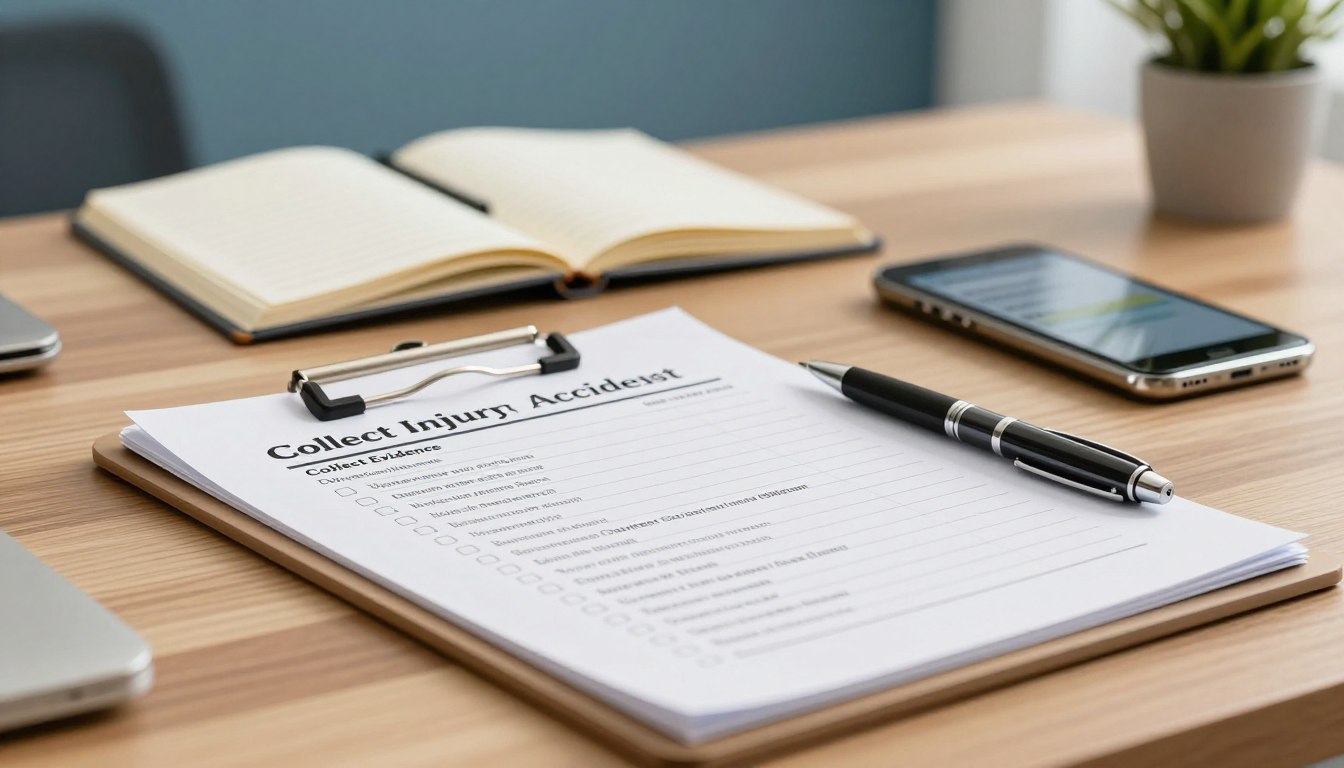
Gathering evidence at the scene can significantly support your case. Take photos of the accident scene, including vehicle damage, road conditions, and any visible injuries. Also, note the time, date, and weather conditions.
- Photographs of the scene and damage
- Witness statements and contact information
- Details of the accident, including time and date
Seeking Medical Treatment After a Personal Injury Accident
Seeking medical treatment after being involved in a personal injury accident is vital for your health and any potential legal claims. The steps you take immediately after an accident can significantly impact your recovery and the success of your case.
The Importance of Immediate Medical Evaluation
Immediate medical evaluation is crucial after a personal injury accident. Some injuries may not be apparent right away, and a medical professional can identify potential issues early on. A delay in seeking medical attention can lead to complications and may also weaken your legal case.
During your initial medical evaluation, your healthcare provider will assess your condition, potentially identifying injuries that require immediate treatment. This not only ensures your health but also creates a medical record of your injuries, which is essential for any legal action you may pursue.

Dealing with Delayed Symptoms and Injuries
Some personal injuries result in delayed symptoms, which may not become apparent until days or even weeks after the accident. Conditions such as whiplash, concussions, or internal injuries might not be immediately noticeable. It’s essential to be vigilant about your health and seek medical attention if you experience any new or worsening symptoms.
- Keep track of any changes in your health or new symptoms.
- Document when these symptoms occur and their severity.
- Inform your healthcare provider about any delayed symptoms.
Types of Medical Documentation to Request and Keep
Proper medical documentation is critical for both your health and your personal injury case. Ensure you request and keep detailed records of:
- Medical reports and diagnoses.
- Treatment plans and medication lists.
- Records of all medical appointments and procedures.
- Bills and receipts for all medical expenses.
As one medical expert notes, “Accurate and comprehensive medical documentation is the backbone of a successful personal injury claim.”
“The quality of your medical records can make or break your case. Ensure you have thorough documentation of your injuries and treatment.”
Following Through with Treatment Plans and Appointments
Adhering to your treatment plan is not only vital for your recovery but also demonstrates to insurance companies and legal professionals that you are taking your health seriously. Missing appointments or failing to follow treatment recommendations can be used against you in your personal injury case.
By following through with your treatment plans and keeping detailed records, you strengthen your case and improve your chances of a successful outcome.
Documenting Evidence for Your Personal Injury Case
To strengthen your personal injury claim, it’s essential to collect and document evidence meticulously. This process not only helps in building a robust case but also ensures that you receive the compensation you deserve.
Collecting Photographic and Video Evidence
Photographic and video evidence can significantly bolster your personal injury case by providing visual proof of the accident scene, injuries, and other relevant details.
- Take clear photos of the accident scene, including any hazards or damages.
- Capture images of your injuries, including bruises, cuts, or other visible harm.
- Record videos that show the extent of your injuries and how they affect your daily activities.
Obtaining Witness Statements and Contact Information
Witness statements can provide crucial testimony that supports your version of events. Ensure you collect contact information from witnesses to facilitate follow-up.
“Witness testimony can be the linchpin in a personal injury case, offering an unbiased account of the incident.” –
Keeping a Personal Injury Journal of Symptoms and Recovery
Maintaining a detailed journal of your symptoms and recovery process can help demonstrate the impact of your injuries on your daily life.
| Date | Symptoms | Treatment |
|---|---|---|
| 02/10/2023 | Severe back pain, limited mobility | Physical therapy session |
| 02/15/2023 | Improved mobility, still experiencing pain | Follow-up with doctor, medication adjustment |
Preserving Physical Evidence and Important Documents
Preserving physical evidence related to your accident, along with important documents, is vital for supporting your claim.
- Keep any damaged clothing or personal items that were involved in the accident.
- Store all medical records, bills, and receipts related to your treatment.
- Save correspondence with insurance companies and any other relevant parties.
Understanding What to Do After a Personal Injury Accident Legally
Knowing your legal rights following a personal injury accident can significantly impact your ability to receive fair compensation. The legal process can be complex and daunting, but being informed is the first step towards navigating it effectively.
Knowing Your Legal Rights as an Injury Victim
As an injury victim, you have the right to seek compensation for your damages. This includes medical expenses, lost wages, and pain and suffering. Understanding these rights is crucial for ensuring you receive the compensation you deserve.
Key Rights:
- Right to file a claim
- Right to legal representation
- Right to compensation for damages
Statute of Limitations for Different Types of Personal Injury Claims
The statute of limitations dictates how long you have to file a personal injury claim. This timeframe varies by state and type of claim.
| State | Type of Claim | Statute of Limitations |
|---|---|---|
| California | Car Accident | 2 years |
| New York | Slip and Fall | 3 years |
| Florida | Medical Malpractice | 2 years |
Determining Liability in Your Personal Injury Case
Determining liability is crucial for a successful personal injury claim. It involves proving that another party’s negligence or wrongdoing caused your injury.
Key Factors in Determining Liability:
- Duty of care
- Breach of duty
- Causation
- Damages
Avoiding Common Legal Mistakes That Can Hurt Your Claim
Avoiding common legal pitfalls can strengthen your personal injury claim. This includes not delaying medical treatment, not posting about your accident on social media, and not giving a recorded statement to insurance companies without consulting a lawyer.

By understanding your legal rights and the legal process, you can better navigate the complexities of your personal injury case and improve your chances of receiving fair compensation.
Hiring a Personal Injury Attorney
Understanding when and how to hire a personal injury attorney can significantly impact the outcome of your case. After a personal injury accident, navigating the legal landscape can be overwhelming, and having the right legal representation can make a substantial difference.
When to Consult with a Personal Injury Lawyer
It’s advisable to consult with a personal injury lawyer as soon as possible after your accident. Early consultation can help in preserving evidence, meeting legal deadlines, and building a strong case. A lawyer can guide you through the process, ensuring that you don’t miss critical steps that could jeopardize your claim.
Immediate Benefits of Consulting a Lawyer:
- Understanding your legal rights and options
- Guidance on dealing with insurance companies
- Assistance in gathering and preserving evidence
What to Look for in a Qualified Personal Injury Attorney
When searching for a personal injury attorney, there are several qualities to look for. Experience in handling cases similar to yours is paramount. Additionally, a lawyer with a good reputation, strong communication skills, and a compassionate approach can make a significant difference in your case.
Key Qualities of a Personal Injury Attorney:
- Experience with personal injury cases
- Strong track record of successful outcomes
- Excellent communication and negotiation skills
Questions to Ask During Your Initial Consultation
The initial consultation is your opportunity to assess whether the attorney is the right fit for your case. Prepare a list of questions, such as their experience with similar cases, their approach to handling your case, and their fee structure.
Example Questions:
- What experience do you have with personal injury cases?
- How will you communicate with me throughout my case?
- What are your fees, and how are they structured?
Understanding Attorney Fee Structures and Agreements
Most personal injury attorneys work on a contingency fee basis, meaning they only get paid if you receive compensation. Understanding the fee structure and any additional costs is crucial before signing an agreement.
Contingency Fee Basis: This fee structure means that the attorney’s payment is contingent upon winning your case. It’s essential to discuss and understand the percentage the attorney will take from your compensation.
By carefully selecting a personal injury attorney and understanding the terms of your agreement, you can navigate your case with confidence, knowing you have a professional advocating on your behalf.
Filing and Navigating Your Personal Injury Claim
When you’ve been injured due to someone else’s negligence, filing a personal injury claim is a vital step in seeking compensation for your losses. This process can be intricate and requires a thorough understanding of the steps involved to navigate it successfully.
The Insurance Claim Process Step by Step
The insurance claim process begins with notifying the at-fault party’s insurance company about your intention to file a claim. This initial step is crucial and should be done as soon as possible after your accident.
Here’s a step-by-step breakdown:
- Notify the insurance company: Inform them about the accident and your intention to file a claim.
- Gather and submit documentation: This includes medical records, police reports, and any other evidence supporting your claim.
- Assessment of damages: The insurance company will assess the damages to determine the extent of their liability.
- Negotiation: You or your attorney will negotiate with the insurance company to reach a fair settlement.
Types of Compensation You May Be Entitled To
Victims of personal injury accidents may be entitled to various types of compensation, depending on the circumstances of their case.
| Type of Compensation | Description |
|---|---|
| Medical Expenses | Covers the cost of medical treatment related to your injury, including future medical expenses. |
| Lost Wages | Compensates for income lost due to your inability to work as a result of your injuries. |
| Pain and Suffering | Provides compensation for the physical and emotional distress caused by your injuries. |
Negotiating with Insurance Companies Effectively
Negotiating with insurance companies requires a strategic approach to achieve a fair settlement. It’s essential to be well-prepared with evidence and to understand the value of your claim.
Key tips for effective negotiation include:
- Being knowledgeable about your claim’s value
- Having comprehensive documentation to support your claim
- Being prepared to counteroffer if the initial settlement is not satisfactory
When to Consider Filing a Personal Injury Lawsuit
If negotiations with the insurance company do not result in a fair settlement, it may be necessary to consider filing a personal injury lawsuit. This step should not be taken lightly and requires careful consideration of the potential outcomes and the legal process involved.

Filing a personal injury claim is a complex process, but understanding the steps involved and being prepared can significantly improve your chances of receiving the compensation you deserve.
Conclusion: Moving Forward After Your Personal Injury
After experiencing a personal injury accident, it’s natural to feel overwhelmed and uncertain about the future. By understanding what to do after a personal injury accident, you can take the first steps towards recovery and securing fair compensation.
Moving forward after a personal injury requires a combination of physical recovery, emotional resilience, and professional guidance. By following the steps outlined in this guide, you can navigate the complex process of filing a personal injury claim and ensure that your rights are protected.
Seeking professional help from a qualified personal injury attorney can make a significant difference in the outcome of your case. They can provide valuable guidance on navigating the insurance claim process, negotiating with insurance companies, and determining the best course of action for your specific situation.
By taking the right steps after a personal injury accident and seeking the necessary support, you can move forward with confidence and achieve a more positive outcome.